Human iPSC-Derived Cells and Screening Services
High-Quality, Human-Relevant Cells for High-Throughput Screening and Complex Multicellular Models
Why choose Cytochroma's Cells?
Human relevance:
Derived from genetically diverse iPSC lines
Consistency:
Controlled, animal-free manufacturing*
Scalability:
Large-batch sizes for HTS and complex models
Customisation:
Tailor models with single or multi-cell type co-cultures
*We avoid animal products wherever possible, the majority of our processes are animal free.

Products
Mature, Polarized & Functional
Hepatocytes

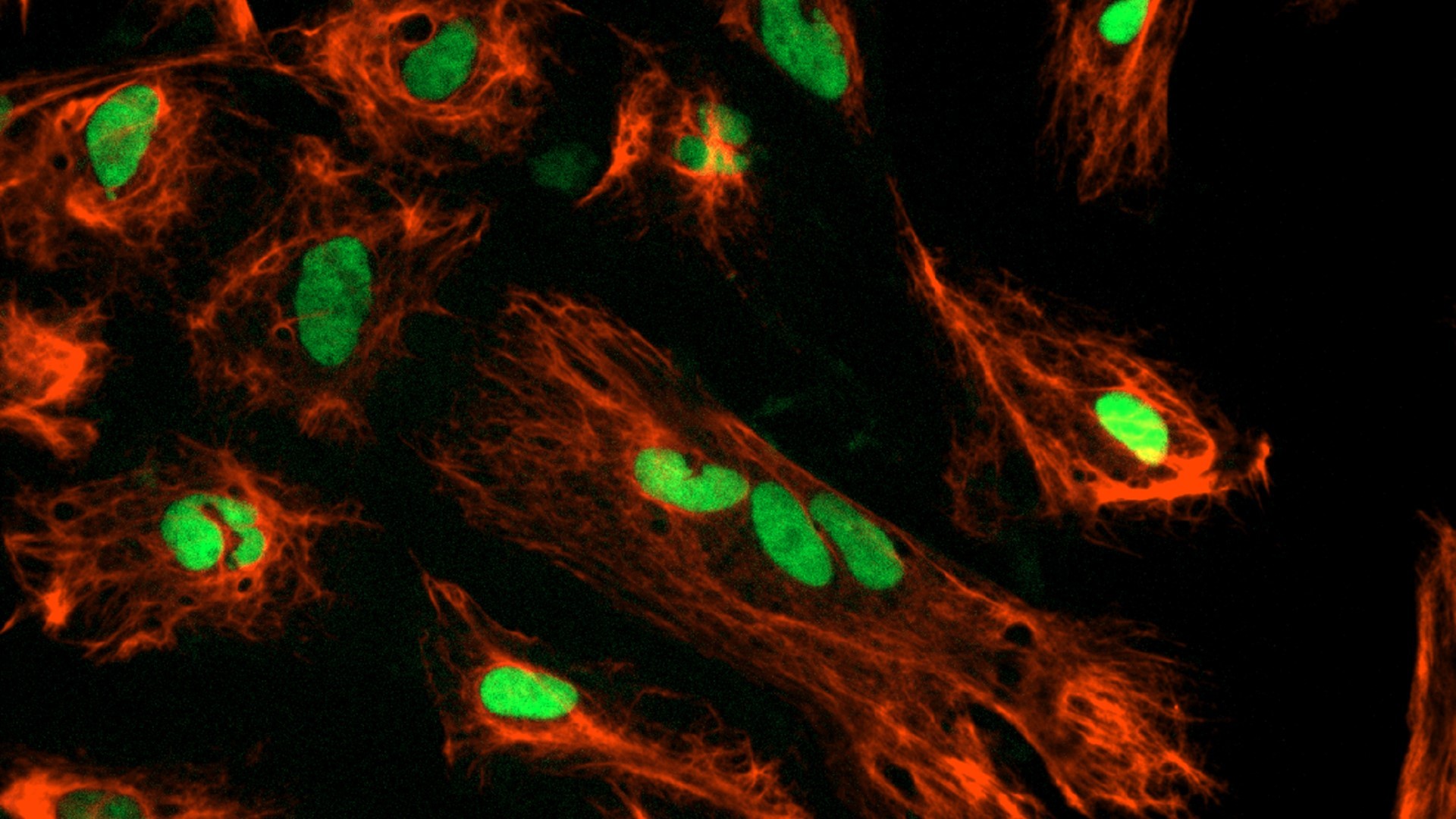
Cytochroma's hepatocytes reflect adult physiology, produce albumin Cytochrome P450 enzymes and are drug inducible. They mimic the liver’s highly organised structure, making drug transporter and efflux studies more physiologically predictive.
All hepatocytes are derived from our unique iPS library containing distinct genetic backgrounds with commonly occurring polymorphisms in key cytochrome P450 genes.
Male and female models can be used to understand gender specific effects and detect toxicity in a global population ahead of clinical trials.
Polarized bile canaliculi structures
Lipid-loading capability for steatosis models
Ideal for 2D and 3D liver systems, high-throughput toxicology, and metabolic disease studies
Batch-to-batch consistency, animal-free, scalable
Available from six healthy donor backgrounds.

Perfect for:
DILI screening, drug metabolism assays, and modelling MAFLD, MASH, fibrosis, inflammation and steatosis.
Predict vascular toxicity, barrier disruption, and inflammatory responses
Endothelial cells

Endothelial cells are involved in multiple processes including blood flow, vascular permeability or angiogenesis. Cytochroma can manufacture endothelial cells from the iPSC line that best fits your project via a controlled and scalable process. Custom assays can be developed with this fully functional cell model to screen drug-induced effects on endothelial barrier permeability or 3D capillary tube formation.
Expression of vascular markers (CD31, VE-Cadherin, vWF)
Form tight junctions and capillary-like networks
Respond to inflammatory stimuli (e.g., TNFα)
Support complex co-culture systems
Available from six healthy donor backgrounds.

Perfect for:
Liver-on-a-Chip, vascularized spheroids, fibrosis progression models
Model Liver Inflammation with Macrophages
Macrophages

Cytochromas macrophages mimic primary human macrophages, offering a scalable platform to study inflammation, immune responses, and tissue remodeling. They can be integrated into complex tissue models to assess immune-driven toxicity and improve preclinical relevance.
Express CD206, CD14, CD11b, and CD86
Secrete inflammatory cytokines (TNFα, IL-1β, IL-6) in response to stimuli
Functional phagocytosis assays
Engineered for use in multi-cellular liver models
Available from three healthy donor backgrounds
Perfect for:
MASH inflammation models, immune-mediated liver injury studies, immunotoxicology
Build complex Cardiac Models with iPSC Cardiac Fibroblasts
Cardiac Fibroblasts
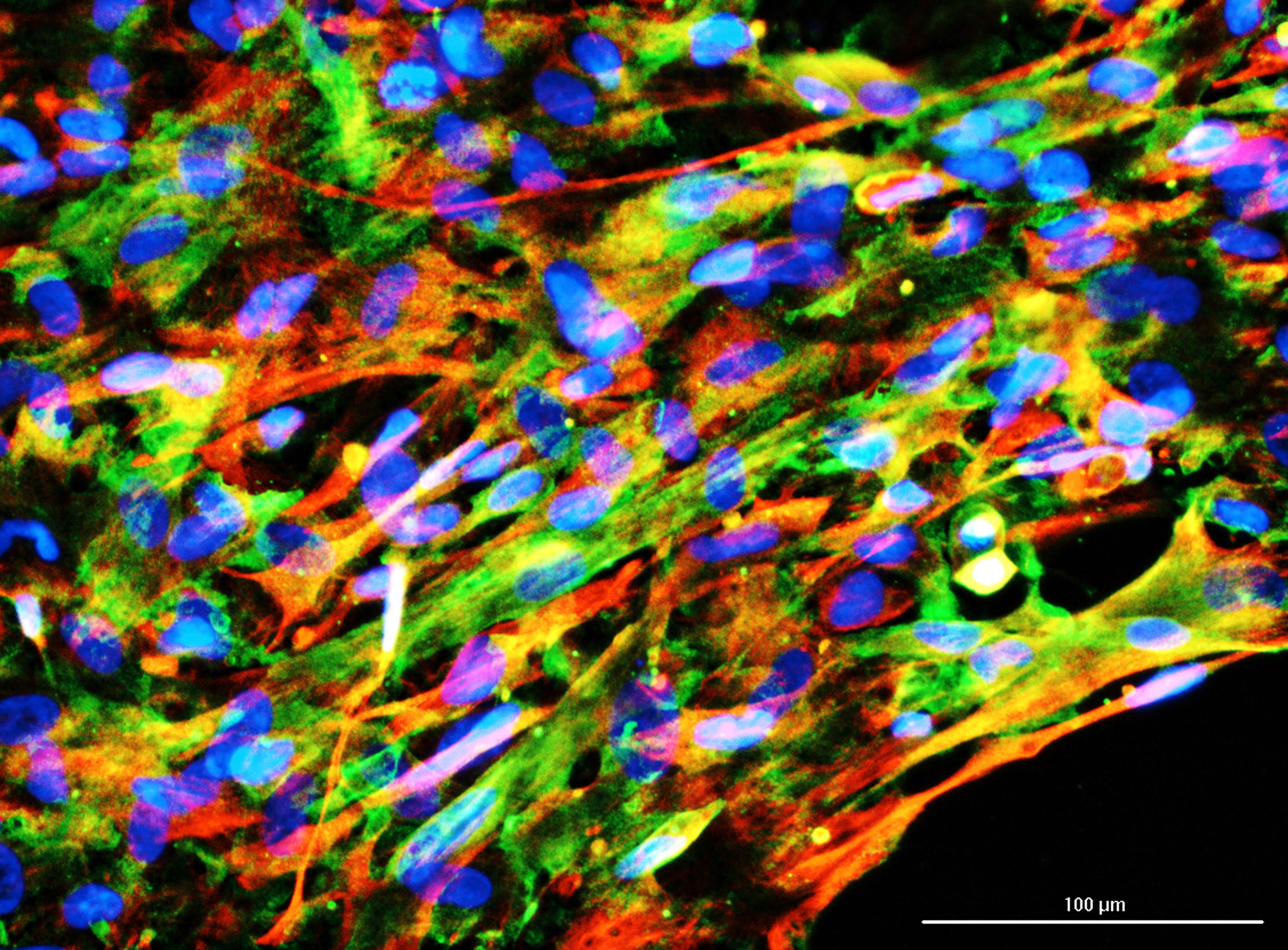
Cardiac fibroblasts play a role in regulating normal myocardial function, and in the myocardial remodelling that occurs with heart disease.
Cardiac fibroblasts are highly pure with low variability between lots, ideal for a variety of purposes. From co-culture with Cardiomyocytes for further maturation, aiding in the formation of engineered heart tissue to disease modelling, these versatile cells can accelerate your drug discovery research, high-throughput screening and toxicity assessments. Use on their own or with our isogenic iPSC-derived heart cell types to create complete heart models.
Ready-to-use post-thaw for streamlined workflows
Co-culture with Cytochroma’s Cardiomyocytes to model human cardiac tissue
Support applications in disease research, drug discovery, safety testing, and regenerative medicine
Consistent performance ensured by rigorous quality control
Available from six healthy donor backgrounds

Perfect for:
Engineered heart tissue models, cardiotoxicity screening, cardiac fibrosis
Advance Cardiac Research with Ventricular Cardiomyocytes
Ventricular Cardiomyocytes
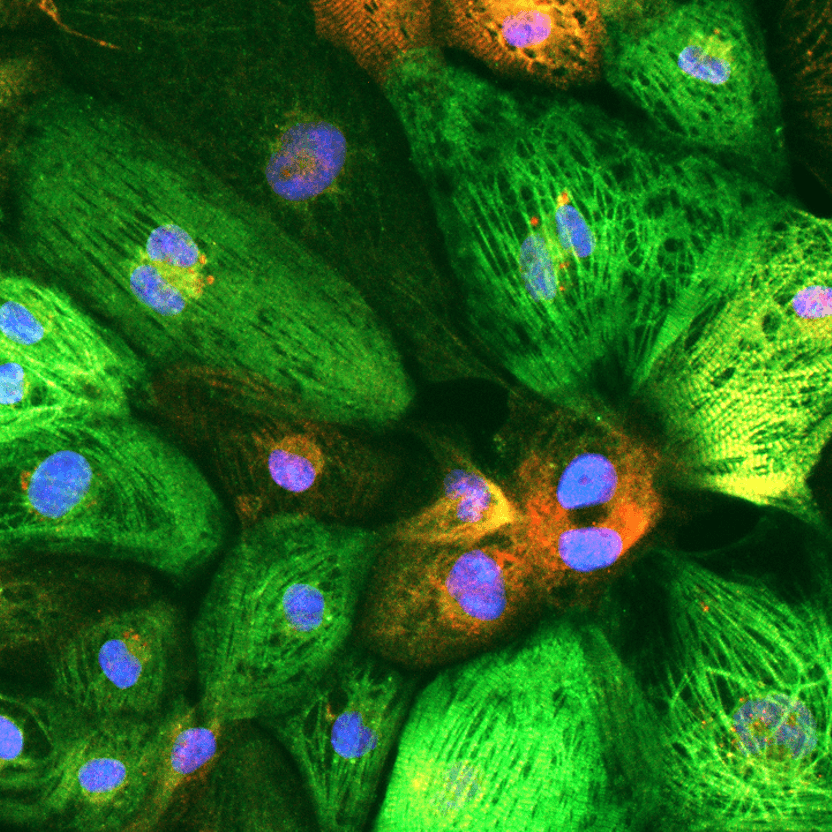
Cytochroma’s ventricular cardiomyocytes are functional, contractile cells that mimic native heart tissue and are ready-to-use post-thaw for seamless integration into cardiac assays. Derived from six healthy donors and rigorously quality-controlled, these cells offer consistency and reliability across batches.
Whether used alone or in co-culture with cardiac fibroblasts, they support a wide range of applications—from engineered heart tissue formation and cardiomyocyte maturation to disease modelling and safety pharmacology.
Accelerate your drug discovery, cardiotoxicity screening with these physiologically relevant, human-based cardiac models.
Key Features
Ready-to-use post-thaw for streamlined workflows
Demonstrate spontaneous contractile activity and electrophysiological functionality
Co-culture compatible with iPSC-derived cardiac fibroblasts and endothelial cells
Ideal for cardiotoxicity screening, disease modelling, and tissue engineering
Batch-to-batch consistency ensured by rigorous quality control
Available from six diverse, healthy donor backgrounds to support population-relevant studies

Perfect for:
Engineered heart tissue models, cardiotoxicity screening, cardiac fibrosis research, disease modelling and drug discovery

For any inquiries or to explore your vision further, we invite you to contact our professional team using the details provided below.
Location
Cytochroma Limited, Roslin Innovation Centre, Charnock Bradley Building, Easter Bush Campus, Edinburgh, EH25 9RG, UK
Phone
+44(0) 131 6519 715